Reviewing the "Welcome Home" Christmas SVG for Real Projects
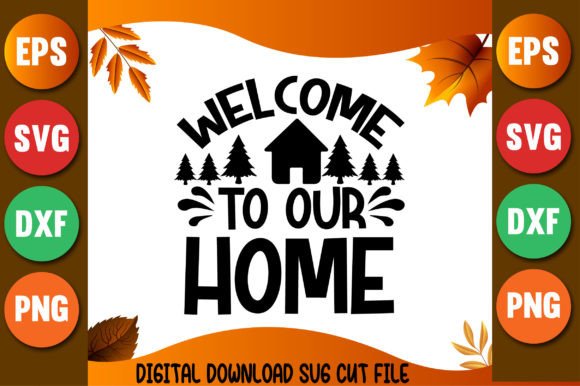
As a designer who spends more time staring at stitch maps than most people spend watching television, I approach new digital embroidery files with a healthy dose of skepticism. We have all been there: you download a beautiful graphic, load it into your software, and realize halfway through digitizing that the lines are too close together or the text is illegible at small sizes. That is why I was interested in taking a closer look at the Christmas SVG Design, Cut File Vector featuring the "Welcome To Our Home" theme. This isn't just about whether the image looks cute on a screen; it is about whether it holds up when translated into thread on actual fabric.
First Impressions and Visual Personality
When I first opened the files included in this Crafts category bundle, the immediate takeaway was versatility. The description promises 100 editable files with color-changeable options across EPS, SVG, JPG, DXF, and PNG formats. For an embroidery professional, the vector formats (SVG, EPS, DXF) are the gold standard. They allow us to import clean paths into our digitizing software without dealing with the pixelation often found in raster images. The "Welcome To Our Home" message carries a warm, inviting mood that fits perfectly within the holiday season, bridging the gap between festive cheer and year-round hospitality.
The layout appears balanced, which is crucial for machine embroidery design. A design that looks cluttered on a monitor often becomes a nightmare of thread breaks and bird nests on the machine. The typography in this specific graphic seems substantial enough to handle conversion into satin or fill stitches, provided the digitizer respects the original spacing. The visual personality is classic rather than trendy, suggesting it will remain a staple in a small shop product lineup for several seasons.
Real-World Application: The Holiday Tote Bag Scenario
To truly evaluate this Graphics asset, I imagined a specific real-life scenario: creating a limited run of custom tote bags for a local boutique's holiday launch. The client wanted something that felt personal but not overly childish. The "Welcome To Our Home" motif is ideal for this. Unlike a generic "Merry Christmas" text, this phrase invites the viewer into a space, making it perfect for a personalized gift or a high-end handmade product.
In this hypothetical project, I would likely place the design on a heavy canvas tote. Because the file offers high-resolution PNGs at 300 DPI, I could easily create a printable mockup for the client approval stage before committing to a single stitch. Once approved, the vector files would be imported for digitizing. The simplicity of the message allows for creative freedom with the thread colors. Imagine deep forest greens and crimsons against a natural beige canvas, or perhaps a monochromatic white-on-white scheme for a subtle, textured look. This adaptability makes it a strong contender for commercial embroidery projects where brand consistency is key.
Navigating Fabric Textures and Stitch Density
However, enthusiasm must be tempered with technical reality. One of the most critical aspects of using a cut file vector for embroidery is understanding how it translates to different materials. While the design might look flawless on a smooth cotton t-shirt, things get complicated with fabric texture. If you are planning to use this on a fuzzy fleece sweatshirt or a textured knit, the fine details of the vector paths might get lost. In these cases, you may need to simplify the digitizing, opting for broader fill stitch areas rather than intricate satin stitch columns.
There are also constraints regarding size. If a customer requests this design on a cap or a small embroidered patch, the "Welcome To Our Home" text could become problematic. Small lettering requires significant expertise to ensure the stitches do not merge. Before committing to a production run, it is vital to test the design on scrap fabric similar to your final material. Check the stitch density; if the digital file is converted directly without adjustment, dense areas can cause the fabric to pucker, especially on stretchy garments like baby clothes or fitted tees.
Considerations for Dark and Stretchy Fabrics
Working with dark fabrics presents another challenge. The preview images in the product listing likely show the design on light backgrounds. When moving to black or navy blue, you must ensure your underlay stitching is robust enough to prevent the fabric from showing through the top threads. Furthermore, curved surfaces like caps require specific distortion compensation during the digitizing phase. A flat vector file will not automatically account for the curvature of a hat brim, so manual adjustment is non-negotiable for a professional finished product.
Business Value and Customer Perception
From a business perspective, the value of this Christmas SVG Design, Cut File Vector lies in its ability to elevate perceived quality. A well-executed embroidery job signals professionalism. Customers associate crisp, clean stitching with higher value, allowing Etsy sellers and boutique owners to command better prices. The "Welcome" theme is particularly effective for building emotional connections. It transforms a simple piece of custom apparel or home decor into a statement of warmth and invitation.
For those selling design assets or digital products, the inclusion of multiple file formats is a significant selling point. It caters to a wide audience, from those who only need a PNG for sublimation printing on mugs and pillows to serious embroiderers who need DXF files for their machines. This breadth of utility increases the potential market for the file, making it a smart addition to a craft business inventory.
Practical Designer Notes and Final Verdict
Before you rush to stitch this design onto your next tote bag design or sweatshirt embroidery project, here are a few practical steps I recommend:
- Test First: Always stitch out a sample on scrap fabric. Check for pull compensation and registration issues.
- Check Licensing: The product description mentions commercial use potential, but always verify the specific license terms regarding resale of the digital file versus the physical item.
- Stabilizer Selection: Match your stabilizer to the fabric. A heavy cut-away might be needed for knits, while a tear-away could suffice for woven aprons or tea towels.
- Contrast Check: View your digitized version in black and white to ensure the contrast between elements is sufficient for clarity.
- Hoop Size: Confirm the design dimensions fit your available hoop sizes, especially if working with smaller machines.
In conclusion, the Christmas SVG Design, Cut File Vector offers a solid foundation for a variety of holiday embroidery and year-round projects. Its strength lies in its clear messaging and flexible file formats. However, its success ultimately depends on the skill of the operator. By respecting the limitations of fabric and thread, and by taking the time to properly digitize and test, this design can become a standout piece in any creative entrepreneur's portfolio. It is a tool that, when used wisely, can turn a simple piece of cloth into a cherished keepsake.