Review: First Day of Fifth Grade SVG for Real Embroidery
As a designer who spends more time staring at stitch simulations than actual sunlight, I approach every new digital embroidery file with a mix of hope and skepticism. We have all downloaded a cute graphic from the Crafts category only to realize it looks like a blob once the needle hits the fabric. That is why I took a close look at the First Day of Fifth Grade - SVG before committing it to any client project or personal handmade product. This isn't just about whether the image is cute; it is about whether it survives the transition from screen to thread.
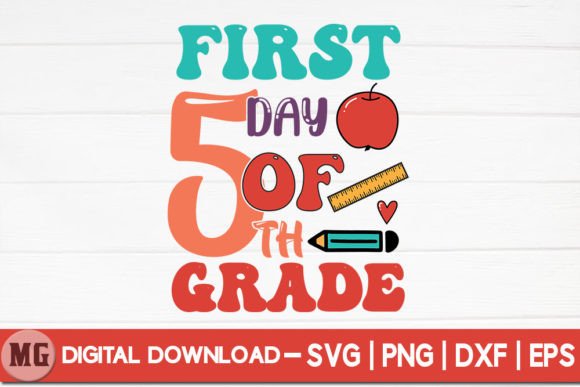
My first impression of this design was its clean, celebratory mood. Fifth grade is a specific milestone—it is the bridge between little kid energy and pre-teen seriousness. The layout of the First Day of Fifth Grade - SVG captures that shift well. It feels structured yet playful, which is exactly what you want for back-to-school gear. Visually, the shapes appear distinct enough to handle different thread colors without bleeding into one another, a common issue with complex Graphics meant for cutting but used for stitching.
Putting the Design to the Test on Real Fabric
To give this a fair evaluation, I imagined a real-world scenario: a custom order for a local boutique needing a batch of personalized tote bags and sweatshirts for a school open house. The goal was to create a personalized gift that parents would actually keep, not toss in a drawer by October. I loaded the SVG into my digitizing software to inspect how the lines would translate into a machine embroidery design.
The strength of this file lies in its versatility. Because it comes as an SVG, along with PNG, EPS, and DXF formats in the zip file, it serves double duty. For the tote bag design, I could easily convert the vector paths into a satin stitch border with a fill stitch interior. The result on canvas fabric was crisp. The text elements, which are often the downfall of school-themed designs, held their shape well when I adjusted the density. For a sweatshirt embroidery project on fleece, the design's bold lines prevented the stitches from sinking into the nap of the fabric, ensuring high visibility and readability from a distance.
However, using an SVG directly for embroidery requires caution. Unlike a dedicated embroidery file (like PES or DST), an SVG is a cut file. If you are sending this to a machine without proper digitizing, you must ensure your software correctly assigns stitch types. I found that the larger elements worked beautifully as applique design candidates. Imagine cutting the main shape from felt and using a tight satin stitch to secure it onto a denim jacket. This approach adds texture and durability, making the finished product feel premium rather than mass-produced.
Navigating Fabric Challenges and Hoop Limitations
While the design shines on sturdy materials like canvas, denim, and twill, I would advise caution with trickier surfaces. If you are planning baby embroidery on a thin onesie or a stretchy knit cap, the density of your stitches matters immensely. The First Day of Fifth Grade - SVG has some detailed corners that could pucker if the stitch density is too high or if the stabilizer is insufficient. For curved surfaces like caps, you must ensure the design fits within the available hoop area without distorting the lettering.
Small hoop sizes present another consideration. If your machine is limited to a 4x4 hoop, you might need to scale the design down. When shrinking vector graphics, tiny details can vanish. I recommend testing the design on scrap fabric first, specifically checking the smallest text elements. If the letters become illegible, you may need to simplify the design or increase the size. Similarly, on dark fabrics, ensure you have enough contrast in your thread colors. A light-colored design on navy blue looks fantastic, but if the outline is too thin, it might get lost against the background texture.
Commercial Viability and Brand Consistency
For Etsy sellers and craft business owners, the visual appeal of a design directly impacts buyer engagement. This particular SVG offers a professional look that builds customer trust. It avoids the clip-art aesthetic that can make a small shop product feel cheap. Instead, it provides a clean foundation that allows your stitching skills to shine. Whether you are creating holiday embroidery gifts or standard back-to-school merch, consistency in quality is key to repeat business.
The file formats included—SVG, PNG, EPS, and DXF—are excellent for creating printable mockups and digital previews. Before you even stitch a single thread, you can place the PNG over photos of shirts or bags to show customers exactly what the custom apparel will look like. This step is crucial for managing expectations and reducing returns. Furthermore, having the EPS and DXF files means you can edit the vectors if a client asks for a slight modification, giving you flexibility that rigid image files do not offer.
Final Designer Notes and Best Practices
Before launching this design into your production line, there are a few practical steps to take. First, always check the licensing terms provided with the download. While the file includes multiple formats suitable for both personal and commercial use, confirming the specific rights for selling finished items versus digital assets is essential. Second, review the stitch simulation in your software. Look for potential jump stitches that might need trimming, especially if you are producing in bulk.
Pay attention to the underlay. Since this started as an SVG, your digitizing software might not automatically generate the perfect underlay for every fabric type. Adding a proper underlay stitch can prevent shifting on textured fabrics and improve the overall coverage of your fill stitch areas. Also, consider how the design handles washing. Dense areas with poor underlaying can cause puckering after the first wash, which hurts the longevity of the product.
In conclusion, the First Day of Fifth Grade - SVG is a solid asset for any designer's library. It bridges the gap between digital convenience and tactile craftsmanship. With the right preparation—choosing the correct stabilizer, testing on scraps, and carefully assigning stitch types—it transforms from a simple graphic into a cherished keepsake. Whether you are decorating a single backpack for your own child or fulfilling a large order for a local school, this design holds up under scrutiny. It reminds us that in the world of commercial embroidery and handmade goods, the best tools are those that allow our creativity to lead while providing a reliable foundation for execution.