Review: Christmas Skeleton Lights SVG for Embroidery
As a designer who spends more time staring at stitch maps than most people spend looking at their phones, I approach every new digital embroidery file with a mix of excitement and skepticism. We've all been there: you download a cute graphic, load it into your software, and realize the density is going to turn your fabric into cardboard. That's why I took a close look at the Christmas Skeleton Christmas Lights SVG before committing it to any client projects or handmade product lines. This isn't just about whether it looks cute on a screen; it's about how it performs under the needle.
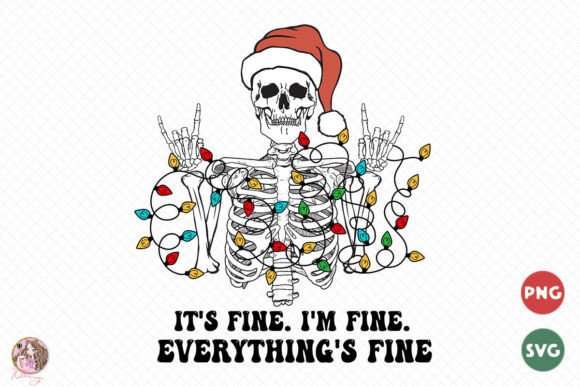
My first impression of this design was its playful juxtaposition of themes. Mixing skeletal imagery with festive holiday lights creates a "spooky-cute" vibe that has been trending heavily in the Crafts and Graphics sectors lately. It feels less like a traditional holiday motif and more like something tailored for the modern maker who wants to stand out at a craft fair. The layout is generally clean, which is crucial. When you are dealing with a skeleton motif, you need clear separation between the bones and the background, or else your fill stitch areas will bleed together, especially on textured fabrics.
Real-World Application: The Holiday Tote Bag Test
To truly evaluate this asset, I imagined a specific real-life scenario: creating a limited run of custom tote bags for a boutique coffee shop's holiday merchandise. The goal was to create a personalized gift feel that would also serve as walking advertisement. The Christmas Skeleton Christmas Lights SVG seemed perfect for this because it bridges the gap between edgy and festive.
However, translating an SVG intended for cutting machines or printing into a viable machine embroidery design requires some mental gymnastics. Since the product description notes you receive SVG and PNG files, this is technically a graphic asset, not a pre-digitized stitch file. This is a critical distinction for any Etsy seller or small shop product creator. If you plan to embroider this, you must digitize it yourself or hire a digitizer. You cannot simply load an SVG into most home embroidery machines and expect magic. Assuming you have the skills to convert this into a proper stitch format, the design's linear nature—the strings of lights and the bone structures—lends itself well to satin stitch columns and precise running stitch outlines.
On a canvas tote bag, the visual appeal is high. The contrast of bright thread colors against a natural or black fabric would make the "lights" pop effectively. For a finished product like this, customer trust is built on clarity. If the skeleton's ribs are too close together, they will fill in with thread and look like a solid blob. In my assessment, the spacing in this graphic appears generous enough to allow for a quality digitization that maintains definition even after multiple washes.
Navigating Fabric Challenges and Stitch Density
One of the biggest hurdles with skeleton-themed designs is maintaining structural integrity on stretchy or difficult fabrics. If you are planning to use this for sweatshirt embroidery or custom apparel made from cotton blends, you need to be hyper-aware of stitch density. A common mistake with these types of design assets is over-saturating the bone areas with fill stitches. This causes the fabric to pucker and the design to warp.
I would strongly advise using a cut-away stabilizer rather than tear-away for this specific motif, especially if you are aiming for a professional embroidered patch look or applying it to a garment that will see frequent wear. The "lights" portion of the design likely involves small, circular elements. On a curved surface like a cap or a hat, these small details can get lost or distorted if the hoop size isn't managed correctly. While the graphic scales well visually, remember that shrinking an embroidery design too much reduces the number of stitches available to define those tiny light bulbs, potentially turning them into indistinguishable dots.
Furthermore, consider the thread colors. This design relies on the interplay between the stark white or off-white of the bones and the vibrant colors of the lights. On dark fabrics, this contrast works beautifully. However, if you attempt this on a light-colored tea towel or a pastel baby onesie, you might lose the definition of the skeleton unless you incorporate a bold outline or a backing layer. Always test your design on scrap fabric that matches your final material. This simple step saves hours of frustration and prevents ruined inventory.
Commercial Viability and Brand Consistency
For creative entrepreneurs and commercial embroidery professionals, the value of a design lies in its versatility. Does the Christmas Skeleton Christmas Lights SVG fit into a broader brand aesthetic? Absolutely, for brands that lean into the quirky, alternative, or "gram" aesthetic. It works exceptionally well for holiday embroidery collections that aim to break away from the standard snowflakes and reindeer.
When listing this as part of an Etsy listing or a boutique catalog, the presentation is key. Since the source file is a graphic, your mockups need to be realistic. Use printable mockup tools to show how the design looks stitched onto various textures, not just flat on a white background. This manages customer expectations and enhances the perceived value of your handmade presentation. Buyers engage more deeply when they can visualize the texture and dimension of the final item.
There is also the matter of licensing. The description states these designs can be used for t-shirts, mugs, and stickers, which implies commercial use for physical goods is permitted. However, always double-check the specific license terms regarding resale of the digital file itself versus the finished physical item. As a rule of thumb, selling the digital embroidery file (if you digitize it) is often restricted unless explicitly stated otherwise, whereas selling the stitched shirt is usually fine.
Final Verdict for the Practical Maker
The Christmas Skeleton Christmas Lights SVG is a strong contender for your holiday lineup, provided you treat it with the technical respect it requires. It is not a "drag-and-drop" solution for embroidery machines but rather a high-potential graphic that needs skilled digitization to shine. Its strength lies in its unique mood and adaptability across different fabric textures, from sturdy tote bags to soft fleece.
Before you commit to a large production run, focus on the details: check the spacing of the bones, ensure your hoop size accommodates the full width without re-hooping, and verify that your stitch count doesn't compromise the drape of the garment. If you navigate these technicalities, this design can elevate your craft business offerings, providing customers with a unique, conversation-starting piece that feels both personal and professionally executed. In a market saturated with generic holiday clips, this skeleton brings just enough edge to make your small shop product memorable.