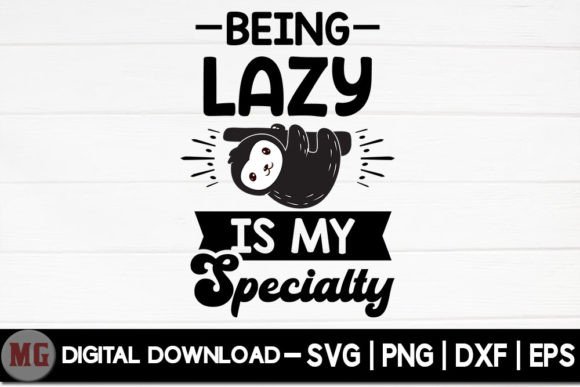
Being Lazy is My Specialty - Sloth SVG Review
As a designer who spends more time staring at stitch maps than actual fabric, I know the difference between a cute graphic and a viable machine embroidery design. When I first pulled up the Being Lazy is My Specialty - Sloth SVG on my screen, I wasn't just looking for a laugh; I was evaluating its potential as a revenue generator for my small shop. In the world of Crafts and digital Graphics, novelty sells, but quality keeps customers coming back. This review breaks down how this specific sloth file holds up when translated from a vector path to a tangible, stitched reality.
The Vibe: Relatable Humor with Clean Lines
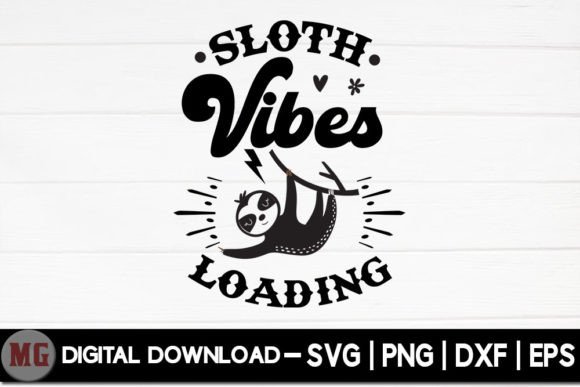
The first thing that strikes you about this design is its mood. It captures that specific, cozy exhaustion we all feel sometimes, wrapped in the adorable package of a sloth. Visually, the layout feels balanced. The typography paired with the animal silhouette suggests a design that relies on clear shapes rather than overly intricate shading. For an embroidery project, this is often a good sign. Complex gradients in a static image can turn into a muddy mess of thread if the digitizing isn't perfect, but a bold statement like this usually translates well into satin or fill stitches.
The "lazy" theme naturally lends itself to a relaxed aesthetic. It's not trying to be high-fashion; it's aiming for comfort and personality. This makes it an ideal candidate for custom apparel where the wearer wants to express their current state of mind without saying a word. Whether you are a hobbyist making gifts or an Etsy seller stocking inventory, understanding this visual personality is key to marketing the finished product effectively.
Real-World Application: The Weekend Sweatshirt Scenario
Let's walk through a realistic use case. Imagine a client comes to your boutique asking for a "comfort wear" piece for their college-aged daughter. They want something funny but stylish enough to wear to a coffee shop. This is where the Being Lazy is My Specialty - Sloth SVG shines. I can immediately picture this centered on the chest of a heather grey crewneck sweatshirt.
In this scenario, the design works because it doesn't overwhelm the garment. A sweatshirt embroidery project requires a design that can handle the texture of fleece or French terry without getting lost. If the lines in the SVG are too thin, they might disappear into the nap of the fabric. However, assuming the vector paths are robust, this design would likely require a standard fill stitch for the sloth body and perhaps a clean satin stitch for the lettering to ensure readability. The result is a handmade product that feels professional yet approachable.
Beyond apparel, consider a heavy canvas tote bag design. Tote bags are workhorses, and a sloth declaring its specialty in laziness is ironic and charming on a bag meant to carry groceries or books. The durability of the stitch here is crucial. Since tote bags get tossed around, the density of the stitching needs to be high enough to prevent snagging, but not so dense that it causes the fabric to pucker.
Technical Considerations for the Stitcher
Before you load this file into your machine, there are practical factors to address. The product description notes that you receive a zip file containing SVG, PNG, EPS, and DXF formats. As an experienced reviewer, I must emphasize that these are vector and image files, not necessarily pre-digitized embroidery files (like PES or DST) unless specified by the seller. If you are using this for commercial embroidery, you may need to run this SVG through your digitizing software to generate the actual stitch commands, or confirm if the seller provides a separate embroidered version.
If you are digitizing it yourself or converting it, pay close attention to stitch density. Sloths have fur, which tempts designers to use heavy filling. On stretchy fabrics like t-shirts or baby clothes, too much density leads to stiffness and distortion. For a baby embroidery project, such as a onesie, you would want to keep the stitch count lower and use softer threads to ensure the garment remains gentle against sensitive skin.
Fabric choice is another critical variable. This design would look sharp on a structured cap, but caps present curved surfaces that can distort text. If the phrase "Being Lazy is My Specialty" is arched or straight, you must test it on a scrap piece of similar material first. Textured fabrics, like waffle knits or towels, can also obscure fine details. If the sloth has tiny facial features, they might vanish on a rough fabric texture. In those cases, simplifying the design or increasing the size slightly within your hoop size limits might be necessary.
Navigating Dark Fabrics and Contrast
One of the biggest challenges with any single-color or limited-color design is contrast. If you plan to stitch this onto a black hoodie or a navy pillow cover, your thread choice becomes the star of the show. A dark thread on dark fabric will render the design invisible. You'll need to select high-contrast thread colors—perhaps a cream or light grey—to make the sloth pop. Always test your design in a black-and-white mockup before cutting into expensive fabric. This simple step saves money and preserves your reputation as a reliable creator.
Business Value and Customer Trust
For creative entrepreneurs and small shop product creators, the value of a design isn't just in the image; it's in the reaction it elicits. Designs that evoke an emotional response, like humor or relatability, tend to have higher engagement rates on social media and marketplaces. When a customer sees this sloth, they smile. That moment of connection builds customer trust and brand loyalty.
Furthermore, consistency is key. If your brand focuses on whimsical, laid-back items, adding this to your catalog reinforces your identity. It serves as a versatile design asset that can be adapted for holiday embroidery (think "Lazy Christmas Morning"), wedding gifts for the couple who loves to lounge, or even personalized gift tags. The versatility of the message allows it to fit various niches without feeling out of place.
Final Verdict and Designer Notes
The Being Lazy is My Specialty - Sloth SVG is a strong contender for anyone looking to add some personality to their Crafts portfolio. Its strength lies in its simplicity and universal appeal. However, success depends entirely on execution. Here are my top recommendations for using this file:
- Test First: Always stitch out a sample on scrap fabric identical to your final material to check for puckering or registration issues.
- Stabilizer Matters: Use the appropriate stabilizer for your fabric type. Cut-away stabilizer is often best for stretchy garments to prevent the design from warping over time.
- Check Licensing: Before selling finished items or digital derivatives, confirm the licensing terms provided with the download. Some creators allow commercial use of physical goods but restrict digital resale.
- Inspect Details: Look closely at the small corners of the letters and the sloth's claws. These areas are prone to thread breaks if the turns are too sharp.
- Mockups: Create printable mockup images to show customers how the design looks on different colored garments before they buy.
In conclusion, this design offers a blend of charm and practicality. With the right preparation and attention to technical details, it can become a staple in your lineup of custom apparel and home decor. It reminds us that sometimes, taking it slow—just like the sloth—is the best way to create something lasting.