Bee Grateful Honey Bee SVG: A Designer's Review
As a designer who spends more time staring at stitch maps than most people spend looking at their phones, I approach every new digital embroidery file with a healthy dose of skepticism. We have all been there: you buy a cute graphic, load it into your software, and realize the density is going to turn your fabric into cardboard or the details are too fine for anything but a postage stamp. That is why I took a close look at the Bee Grateful - Honey Bee SVG before committing it to a client project. This isn't just about whether the image looks cute on a screen; it is about how it translates from a vector path in the Crafts and Graphics world into a tangible, stitched reality.
First Impressions and Visual Personality
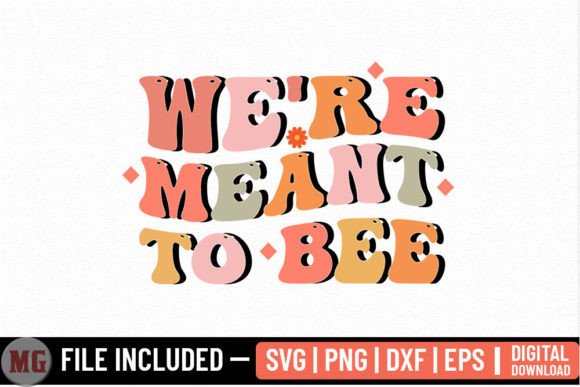
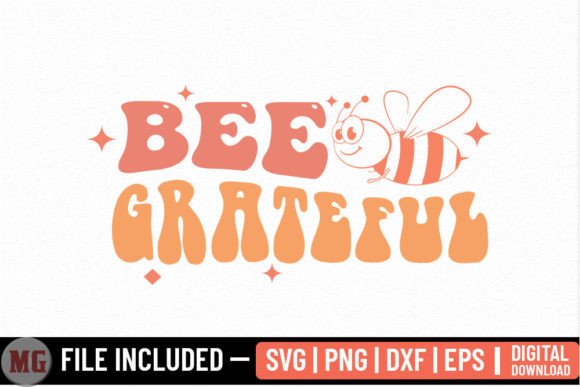
When I first opened the zip file, which includes SVG, PNG, EPS, and DXF formats, my immediate thought was about the versatility of the layout. The "Bee Grateful" theme carries a specific mood—it is warm, inviting, and slightly rustic. For an embroidery project, this is gold. It fits perfectly into the current trend of farmhouse chic and nature-inspired decor that dominates boutique markets. The shape of the bee combined with the typography suggests a design that relies heavily on clean lines. In the world of machine embroidery design, clean lines usually mean fewer jump stitches and a cleaner finished product.
The visual personality here is friendly without being childish. This distinction is crucial for Etsy sellers and small shop product creators. You want a design that appeals to adults buying gifts for other adults, not just something for a nursery. The balance between the insect illustration and the text feels intentional, suggesting that if digitized correctly, this could work beautifully as a satin stitch outline with a light fill stitch background, rather than a heavy, dense block of thread.
Real-World Application: The Tote Bag Test
To truly evaluate this asset, I imagined a specific real-life scenario: a custom order for a local farmer's market vendor who needed branded tote bag design options. She wanted something that said "sustainable" and "sweet" without screaming it. The Bee Grateful - Honey Bee SVG seemed like the perfect candidate. I visualized it centered on a natural canvas tote. Because the design likely involves some textual elements alongside the graphic, placement is key. On a tote, you have ample space, allowing the details of the bee wings and the lettering to breathe.
If I were stitching this onto a sweatshirt embroidery project, the texture of the fleece would require careful consideration. A design like this needs to sit on top of the fabric texture, not get lost in it. For a personalized gift like a baby onesie, the scale would need to be reduced significantly. This is where checking the original file quality becomes non-negotiable. Since the package provides vector formats like SVG and EPS, scaling should theoretically be lossless, but one must always consider the physical limitations of the thread. Tiny details in the bee's stripes might need to be simplified or widened when moving from a printable mockup to actual thread to prevent breakage or bird-nesting.
Fabric Choices and Technical Considerations
Not every surface is created equal. While this design shines on stable woven fabrics like cotton twill or linen, caution is advised when moving to stretchy knits or textured towels. If you are attempting this as a kitchen towel embellishment, the looped texture of the terry cloth can swallow fine running stitch details. In such cases, increasing the stitch density slightly or adding a topping stabilizer might be necessary to keep the definition crisp.
Dark fabrics present another challenge. The "Bee Grateful" concept usually implies warm yellows, blacks, and perhaps some soft browns. On a navy or black garment, you must ensure your thread colors have enough contrast. A dark background might require an underlay stitch that is robust enough to prevent the fabric color from peeking through the yellow fills, which can muddy the vibrancy of the bee. Furthermore, curved surfaces like caps require a different approach entirely. The center of a cap is a small, rounded canvas. Fitting both a bee and text there might crowd the design, making it illegible. For hats, I would recommend isolating just the bee graphic and saving the text for a different application or a larger item like an apron.
Commercial Viability and Brand Consistency
For craft business owners, consistency is everything. Using a high-quality design asset like this helps maintain a professional look across different products. Whether you are selling custom apparel, embroidered patches, or home decor, the clarity of the design directly impacts customer trust. A sloppy stitch job caused by a poorly prepared file reflects badly on the maker, not just the digital artist. However, when executed well, this design adds perceived value. It transforms a plain pillow cover into a thoughtful piece of nursery decor or a standard tea towel into a charming holiday gift.
The commercial potential extends beyond physical goods. Because you receive PNG files alongside the vectors, these can be used for digital product previews on your website or social media before you even stitch a single thread. This allows creative entrepreneurs to gauge interest and build hype. Just remember, before listing items for sale, you must verify the licensing terms included with the download. While the files are ready to use, understanding the limits of commercial embroidery rights is essential to protect your business.
Practical Notes for the Stitcher
Before you hoop up your final garment, treat yourself to a test run. Always stitch the design on a scrap piece of the same fabric you intend to use. This "muslin" phase of embroidery saves money and reputation. Check the back of the sample; excessive thread buildup indicates the density might be too high for lightweight fabrics. Pay attention to the corners of the letters in "Grateful." Sharp corners in applique design or filled text often need tie-offs or specific stitch angles to remain crisp after washing.
Also, consider the washability. Items like baby clothes and kitchen towels undergo frequent laundering. Ensure your stabilizer choice matches the fabric weight—a cut-away stabilizer is often safer for stretchy garments to prevent distortion over time, while a tear-away might suffice for sturdy tote bags. Finally, view your design in black and white on your screen. If the contrast holds up without color, your stitch structure is likely sound. If it looks like a gray blob, you may need to adjust the spacing between the bee and the text.
In conclusion, the Bee Grateful - Honey Bee SVG offers a solid foundation for a variety of creative endeavors. It bridges the gap between digital convenience and handmade charm. With the right preparation, attention to fabric texture, and thoughtful digitizing adjustments, it can elevate a simple handmade product into a standout piece that resonates with buyers looking for authenticity and warmth in their purchases.